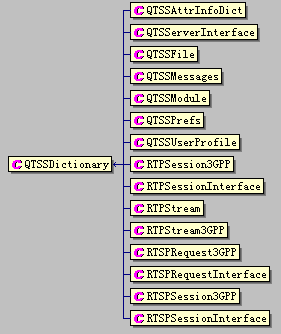
EventBus的简介
官网是对EventBus给出的解释如下:/** * EventBus is a central publish/subscribe event system for Android. Events are posted ({@link #post(Object)}) to the * bus, which delivers it to subscribers that have a matching handler method for the event type. To receive events, * subscribers must register themselves to the bus using {@link #register(Object)}. Once registered, subscribers * receive events until {@link #unregister(Object)} is called. Event handling methods must be annotated by * {@link Subscribe}, must be public, return nothing (void), and have exactly one parameter * (the event). */大体的意思是:EventBus是Android的中央发布/订阅事件系统。事件通过post()方法被发布到总线,并将其(事件)传递给与事件类型匹配的处方的订阅者当订阅者需要接收事件时,订阅者必须通过register()方法将自己注册到总线。完成注册后,订阅者就可以接收打牌事件,直到订阅者调用unregister()方法。订阅者用于事件处理方法必须用Subscribe进行注释,而且该方法必须是必须是公用的(public),没有返回值(void),并且只有一个参数(事件)方法。EventBus的引入
在build.gradle引入'org.greenrobot:eventbus:3.0.0'dependencies { compile 'org.greenrobot:eventbus:3.0.0'}EventBus的基本使用
现在需要解决一个问题:需要在2个不同界面之间实现数据(事件)的传递。即将在界面1中进行按钮点击操作的时候,程序需要向界面2发送消息。1.新建一个类,用作EventBus的事件
package com.ymsoft.eventbustest;/** * Created by Xiongxl on 2017/2/24. */public class FirstEvent{ PRivate String mMsg; public FirstEvent(String msg) { mMsg = msg; } public String getMsg() { return mMsg; }}2.创建活动1:MainActivity
public class MainActivity extends AppCompatActivity{ Button btn; TextView tv; @Override protected void onCreate(Bundle savedInstanceState) { super.onCreate(savedInstanceState); setContentView(R.layout.activity_main); btn = (Button) findViewById(R.id.btn_next); tv = (TextView) findViewById(R.id.tv); btn.setOnClickListener(new View.OnClickListener() { @Override public void onClick(View v) { // TODO Auto-generated method stub Intent intent = new Intent(MainActivity.this, SecondActivity.class); startActivity(intent); } }); }}3.MainActivity对应的布局文件
<LinearLayout xmlns:android="http://schemas.android.com/apk/res/android" android:layout_width="match_parent" android:layout_height="match_parent" android:background="#00FF00" android:orientation="vertical"> <Button android:id="@+id/btn_next" android:layout_width="match_parent" android:layout_height="wrap_content" android:text="跳转界面2"/> <TextView android:id="@+id/tv" android:layout_width="wrap_content" android:layout_height="match_parent"/></LinearLayout>4.创建活动2:SecondActivity
public class SecondActivity extends AppCompatActivity{ private Button btn_FirstEvent; @Override protected void onCreate(Bundle savedInstanceState) { super.onCreate(savedInstanceState); setContentView(R.layout.activity_second); btn_FirstEvent = (Button) findViewById(R.id.btn_first_event); btn_FirstEvent.setOnClickListener(new View.OnClickListener() { @Override public void onClick(View v) { } }); }}5.SecondActivity相对应的布局文件:
<LinearLayout xmlns:android="http://schemas.android.com/apk/res/android" android:layout_width="match_parent" android:layout_height="match_parent" android:background="#ff0000" android:orientation="vertical"> <Button android:id="@+id/btn_first_event" android:layout_width="match_parent" android:layout_height="wrap_content" android:text="First Event"/></LinearLayout>6.EventBus的使用过程
现在实现的效果为:通过在SecondActivity中点击Button,向MainActivity中发送一个消息/事件,并将消息内容赋值给MainActivity的TextView控件。此时我们采用EventBus来完成该任务。根据API文档可知,需要使用EventBus必须进行注册register();所以在MainActivity的onCreate()方法中添加代码:EventBus.getDefault().register(this);当MainActivity停止时,需要注销EventBus,重写onStop()方法@Overrideprotected void onStop(){ super.onStop(); EventBus.getDefault().unregister(this);}在secondActivity的Button控件的点击事件中,使用EventBus的post方法,将消息传递给MainActivity。并将消息内容赋值给MainActivity中TextView的Text属性。btn_FirstEvent.setOnClickListener(new View.OnClickListener(){ @Override public void onClick(View v) { // TODO Auto-generated method stub EventBus.getDefault().post(new FirstEvent("FirstEvent btn clicked")); }});在MainActivity中,需要有一个方法,接收由SecondActivity发送过来的消息。注意:根据API文件的解释,用于接收消息的方法必须用Subscribe修饰,同时为public和没有放回数据(void)的只有一个参数(事件)的方法。@Subscribepublic void onEventMainThread(FirstEvent event){ String msg = "获取到了SecondActivity发送过来的信息:" + event.getMsg(); tv.setText(msg); Toast.makeText(this, msg, Toast.LENGTH_LONG).show();}假如方法没有使用Subscribe注释,将报如下错误:org.greenrobot.eventbus.EventBusException: Subscriber class **** and its super classes have no public methods with the @Subscribe annotationEventBus的其他介绍
1.EventBus的四种ThreadMode(线程模型)
EventBus3.0有以下四种ThreadMode:
POSTING(默认):如果使用事件处理函数指定了线程模型为POSTING,那么该事件在哪个线程发布出来的,事件处理函数就会在这个线程中运行,也就是说发布事件和接收事件在同一个线程。在线程模型为POSTING的事件处理函数中尽量避免执行耗时操作,因为它会阻塞事件的传递,甚至有可能会引起ANR。MAIN: 事件的处理会在UI线程中执行。事件处理时间不能太长,长了会ANR的。BACKGROUND:如果事件是在UI线程中发布出来的,那么该事件处理函数就会在新的线程中运行,如果事件本来就是子线程中发布出来的,那么该事件处理函数直接在发布事件的线程中执行。在此事件处理函数中禁止进行UI更新操作。ASYNC:无论事件在哪个线程发布,该事件处理函数都会在新建的子线程中执行,同样,此事件处理函数中禁止进行UI更新操作。指定线程模式的方法:在注释中指定线程模式@Subscribe(threadMode = ThreadMode.MAIN)@Subscribe(threadMode = ThreadMode.MAIN)public void onEventMainThread(SecondEvent event){ String msg = "SecondEvent onEventMainThread收到了消息:" + event.getMsg(); tv.setText(msg); Toast.makeText(this, msg, Toast.LENGTH_LONG).show();}注:接收消息的方法的参数(事件)名称与post()中的参数(事件)一致,否则,将接收不到post传递的消息。
新闻热点


疑难解答