 下面是演示anchor方式的布局文件例子:
<android.support.design.widget.CoordinatorLayout xmlns:android="http://schemas.android.com/apk/res/android" xmlns:app="http://schemas.android.com/apk/res-auto" android:id="@+id/cl_main" android:layout_width="match_parent" android:layout_height="match_parent" > <LinearLayout android:id="@+id/ll_main" android:layout_width="match_parent" android:layout_height="match_parent" android:background="#00ffff" android:orientation="vertical" > </LinearLayout> <TextView android:layout_width="100dp" android:layout_height="100dp" android:layout_margin="50dp" app:layout_anchor="@id/ll_main" app:layout_anchorGravity="top|right" android:background="#ff0000" /> </android.support.design.widget.CoordinatorLayout>悬浮按钮FloatingActionButton
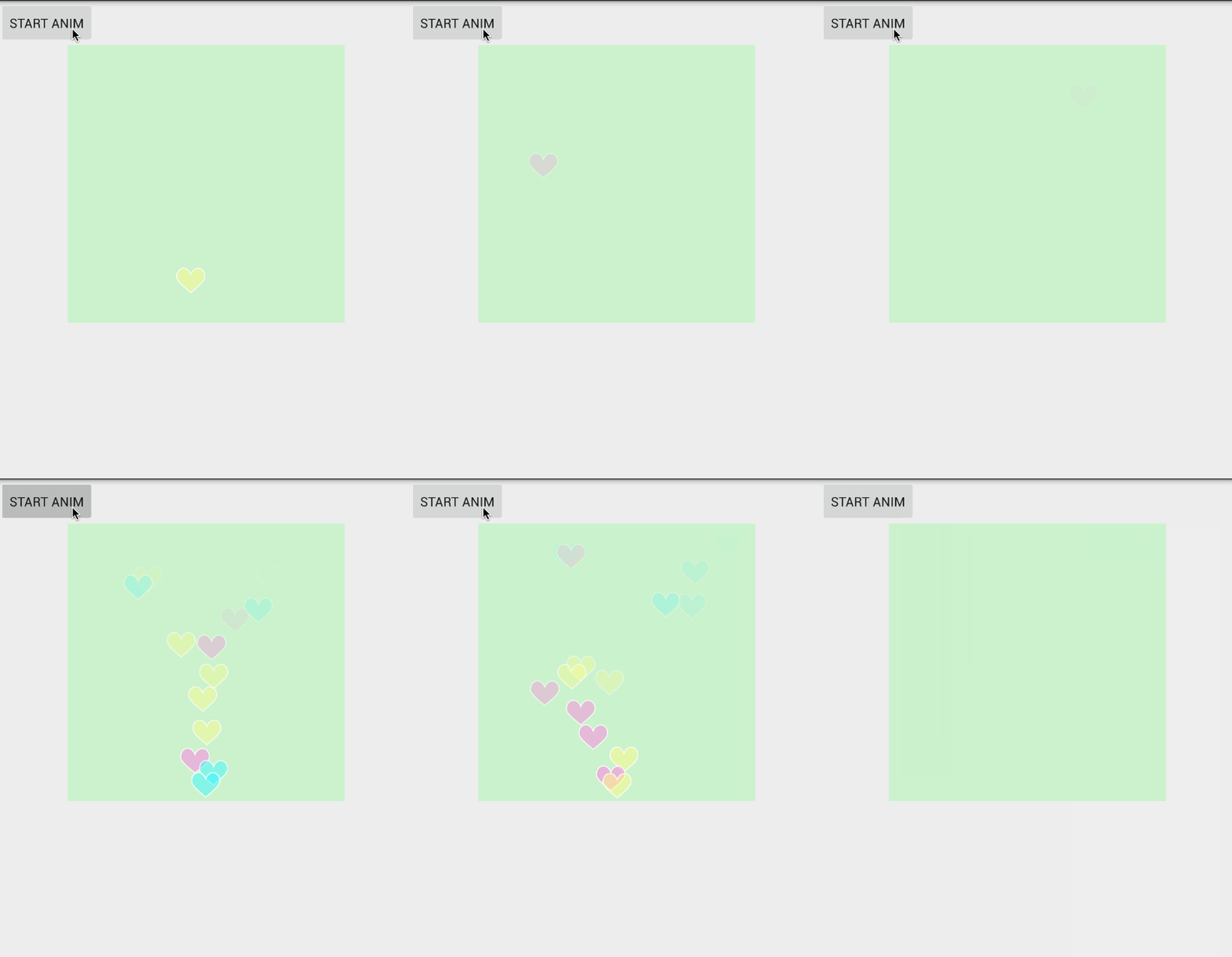
FloatingActionButton是design库提供的一个酷炫按钮,它继承自ImageButton,,除了图像按钮的所有功能之外,还提供了以下的其它功能:1、FloatingActionButton会悬浮在其他视图之上,即使别的视图在布局文件中位于FloatingActionButton后面;2、在隐藏、显示按钮上时会播放动画;其中隐藏操作是调用hide方法,显示操作是调用show方法;3、FloatingActionButton默认会随着Snackbar的出现或消失而动态调整位置,有关Snackbar的说明参见《Android开发笔记(一百二十七)活用提示窗Toast和Snackbar》;下面是悬浮按钮自隐藏和显示时的动画效果截图:下面是悬浮按钮跟随提示条上移和下移的效果截图:
下面是演示悬浮按钮的布局文件例子:
<android.support.design.widget.CoordinatorLayout xmlns:android="http://schemas.android.com/apk/res/android" xmlns:app="http://schemas.android.com/apk/res-auto" android:id="@+id/cl_main" android:layout_width="match_parent" android:layout_height="match_parent" > <LinearLayout android:id="@+id/ll_main" android:layout_width="match_parent" android:layout_height="match_parent" android:orientation="vertical" > <Button android:id="@+id/btn_snackbar" android:layout_width="wrap_content" android:layout_height="wrap_content" android:layout_gravity="center" android:layout_marginTop="30dp" android:text="显示简单提示条" android:textColor="@color/black" android:textSize="17sp" /> <Button android:id="@+id/btn_floating" android:layout_width="wrap_content" android:layout_height="wrap_content" android:layout_gravity="center" android:layout_marginTop="30dp" android:text="隐藏悬浮按钮" android:textColor="@color/black" android:textSize="17sp" /> </LinearLayout> <android.support.design.widget.FloatingActionButton android:id="@+id/fab_btn" android:layout_width="80dp" android:layout_height="80dp" android:layout_margin="20dp" app:layout_anchor="@id/ll_main" app:layout_anchorGravity="bottom|right" android:background="@drawable/float_btn" /></android.support.design.widget.CoordinatorLayout>底部弹窗BottomSheetBehavior
design库提供了Snackbar在页面底部弹出提示条,可是Snackbar着实简单,如果我们想在底部弹出一组菜单,Snackbar就无能为力了。因此,Android又提供了BottomSheetBehavior用来自定义底部弹窗,不过它并非一种新控件,而是给现有视图加上几个新属性,即可实现弹窗与关闭的效果。这几个新增属性的说明如下:app:behavior_hideable : 指定弹窗是否允许隐藏。app:behavior_peekHeight : 指定弹窗的预览高度。app:elevation : 指定弹窗的高程。app:layout_behavior : 指定弹窗的行为,像底部弹窗固定取值"@string/bottom_sheet_behavior"。BottomSheetBehavior在代码中使用的方法如下所示:from : 从指定视图获取底部弹窗行为。getState : 获取该行为的状态。setState : 设置该行为的状态。取值STATE_EXPANDED表示完全展开;取值STATE_COLLAPSED表示折叠;取值STATE_HIDDEN表示隐藏。setPeekHeight : 设置弹窗的预览高度,即setState取值STATE_COLLAPSED时设定的折叠高度。setHideable : 设置弹窗是否允许隐藏。下面是底部弹窗的演示截图:下面是使用底部弹窗的布局例子:
<android.support.design.widget.CoordinatorLayout xmlns:android="http://schemas.android.com/apk/res/android" xmlns:app="http://schemas.android.com/apk/res-auto" android:id="@+id/cl_main" android:layout_width="match_parent" android:layout_height="match_parent" > <LinearLayout android:id="@+id/ll_main" android:layout_width="match_parent" android:layout_height="match_parent" android:orientation="vertical" > <Button android:id="@+id/btn_bottomsheet" android:layout_width="wrap_content" android:layout_height="wrap_content" android:layout_gravity="center" android:layout_marginTop="30dp" android:text="显示底部弹窗" android:textColor="@color/black" android:textSize="17sp" /> </LinearLayout> <LinearLayout android:id="@+id/ll_bottom" android:layout_width="match_parent" android:layout_height="200dp" android:background="#ffaaaa" app:behavior_hideable="true" app:behavior_peekHeight="50dp" app:elevation="5dp" app:layout_behavior="@string/bottom_sheet_behavior"> <TextView android:id="@+id/tv_popup" android:layout_width="match_parent" android:layout_height="wrap_content" android:gravity="center" android:text="底部弹窗菜单" android:textColor="#000000" android:textSize="17sp"/> </LinearLayout></android.support.design.widget.CoordinatorLayout>下面是使用底部弹窗的代码例子:public class BottomSheetActivity extends AppCompatActivity implements OnClickListener { PRivate Button btn_bottomsheet; private BottomSheetBehavior behavior; @Override protected void onCreate(Bundle savedInstanceState) { super.onCreate(savedInstanceState); setContentView(R.layout.activity_bottomsheet); btn_bottomsheet = (Button) findViewById(R.id.btn_bottomsheet); btn_bottomsheet.setOnClickListener(this); View ll_bottom = (View) findViewById(R.id.ll_bottom); behavior = BottomSheetBehavior.from(ll_bottom); //如果立即setState,会报错java.lang.NullPointerException mHandler.postDelayed(mState, 50); } @Override public void onClick(View v) { if (v.getId() == R.id.btn_bottomsheet) { if (behavior.getState() == BottomSheetBehavior.STATE_HIDDEN) { behavior.setState(BottomSheetBehavior.STATE_COLLAPSED); btn_bottomsheet.setText("隐藏底部弹窗"); } else { behavior.setState(BottomSheetBehavior.STATE_HIDDEN); btn_bottomsheet.setText("显示底部弹窗"); } } } private Handler mHandler = new Handler(); private Runnable mState = new Runnable() { @Override public void run() { behavior.setState(BottomSheetBehavior.STATE_HIDDEN); } };}点击下载本文用到的协调布局的工程代码点此查看Android开发笔记的完整目录
新闻热点






疑难解答