一、第一种方法:
(1)Fragment的第一种使用方法是使用fragment加载单独的布局文件:(也就是xml的方式实现)
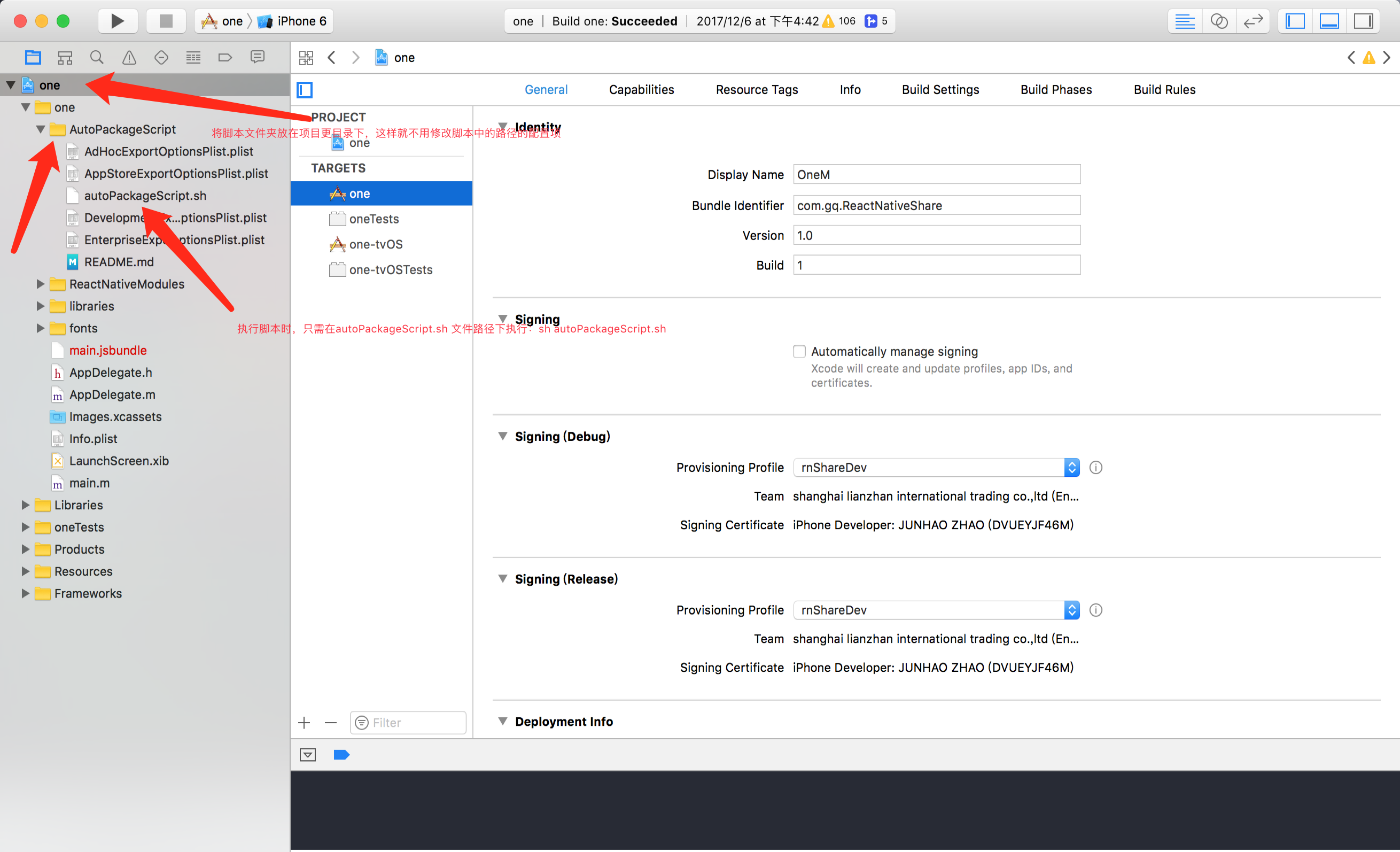
结构如下:

activity_main.xml主要是在一个线性布局中添加两个线性布局
<LinearLayout xmlns:android="http://schemas.android.com/apk/res/android" xmlns:tools="http://schemas.android.com/tools" android:layout_width="match_parent" android:layout_height="match_parent" android:orientation="horizontal" tools:context=".MainActivity" > <LinearLayout android:id="@+id/linerlayout1" android:layout_width="0dp" android:layout_height="match_parent" android:layout_weight="1" android:background="#CCCCCC" android:orientation="vertical" > <Button android:id="@+id/button1" android:layout_width="match_parent" android:layout_height="wrap_content" android:text="显示窗口" /> </LinearLayout> <LinearLayout android:id="@+id/linerlayout2" android:layout_width="0dp" android:layout_height="match_parent" android:layout_weight="3" android:background="#CCFFDD" android:orientation="vertical" > </LinearLayout></LinearLayout>
right.xml是等会使用fragment的时候,加载的一个布局文件:(由于主要是在界面中加载、所以不作特殊要求)
<?xml version="1.0" encoding="utf-8"?><LinearLayout xmlns:android="http://schemas.android.com/apk/res/android" android:layout_width="match_parent" android:layout_height="match_parent" android:orientation="vertical" > <RatingBar android:id="@+id/ratingBar1" android:layout_width="wrap_content" android:layout_height="wrap_content" /> <Button android:id="@+id/button11" android:layout_width="wrap_content" android:layout_height="wrap_content" android:text="点我试试" /></LinearLayout>
MyFragment.java就是加载fragment的类,要继承Fragment类:(要重载父类的下边三个方法)
package com.lc.tablet_fragment_addview;import android.app.Fragment;import android.os.Bundle;import android.view.LayoutInflater;import android.view.View;import android.view.View.OnClickListener;import android.view.ViewGroup;import android.widget.Button;import android.widget.Toast;public class MyFragment extends Fragment { public MyFragment() { // TODO Auto-generated constructor stub } @Override public void onCreate(Bundle savedInstanceState) { // TODO Auto-generated method stub super.onCreate(savedInstanceState); } @Override public View onCreateView(LayoutInflater inflater, ViewGroup container, Bundle savedInstanceState) { // 这里的R.layout.right是界面的id View view = inflater.inflate(R.layout.right, null); Button button = (Button) view.findViewById(R.id.button11); button.setOnClickListener(new OnClickListener() { @Override public void onClick(View v) { Toast.makeText(getActivity(), "hello world!", Toast.LENGTH_LONG) .show(); } }); return view; } @Override public void onPause() { // TODO Auto-generated method stub super.onPause(); }}MainActivity.java:
package com.lc.tablet_fragment_addview;import android.app.Activity;import android.app.FragmentManager;import android.app.FragmentTransaction;import android.os.Bundle;import android.view.Menu;import android.view.View;import android.view.View.OnClickListener;import android.widget.Button;public class MainActivity extends Activity { private Button button; private FragmentManager fragmentManager; // 管理 private FragmentTransaction fragmentTransaction; // 事务 @Override protected void onCreate(Bundle savedInstanceState) { super.onCreate(savedInstanceState); setContentView(R.layout.activity_main); button = (Button) this.findViewById(R.id.button1); fragmentManager = getFragmentManager(); button.setOnClickListener(new OnClickListener() { @Override public void onClick(View v) { fragmentTransaction = fragmentManager.beginTransaction(); MyFragment myFragment = new MyFragment(); // 第一个参数是要放到哪个地方的id,第二个为要放入的fragment fragmentTransaction.add(R.id.linerlayout2, myFragment); fragmentTransaction.commit(); } }); } @Override public boolean onCreateOptionsMenu(Menu menu) { // Inflate the menu; this adds items to the action bar if it is present. getMenuInflater().inflate(R.menu.main, menu); return true; }}演示效果:当点击灰色界面的按钮时显示右侧的布局:

二、第二种方法
项目结构和上图中的差不多:只是在布局文件中,直接使用fragment控件:
<RelativeLayout xmlns:android="http://schemas.android.com/apk/res/android" xmlns:tools="http://schemas.android.com/tools" android:layout_width="match_parent" android:layout_height="match_parent" android:paddingBottom="@dimen/activity_vertical_margin" android:paddingLeft="@dimen/activity_horizontal_margin" android:paddingRight="@dimen/activity_horizontal_margin" android:paddingTop="@dimen/activity_vertical_margin" tools:context=".MainActivity" > <fragment android:id="@+id/fragment1"android:name="com.example.tablet_fragment_fragementmanager.MyFragment" android:layout_width="wrap_content" android:layout_height="wrap_content" android:layout_alignParentTop="true" android:layout_centerHorizontal="true" android:layout_marginTop="37dp" /></RelativeLayout>
在myfragment.java文件中,只需找到fragment所容纳的布局文件即可,不进行业务上的操作:
package com.example.tablet_fragment_fragementmanager;import android.app.Fragment;import android.os.Bundle;import android.view.LayoutInflater;import android.view.View;import android.view.ViewGroup;public class MyFragment extends Fragment { public MyFragment() { } @Override public void onCreate(Bundle savedInstanceState) { super.onCreate(savedInstanceState); } @Override public View onCreateView(LayoutInflater inflater, ViewGroup container, Bundle savedInstanceState) { /* * 这里只需找到布局文件即可 */ View view = inflater.inflate(R.layout.text, null); return view; } @Override public void onResume() { super.onResume(); }}MainActivity.java文件:进行fragment的业务处理
package com.example.tablet_fragment_fragementmanager;import android.app.Activity;import android.app.FragmentManager;import android.os.Bundle;import android.view.Menu;import android.view.View;import android.view.View.OnClickListener;import android.widget.Button;import android.widget.Toast;/* * 再布局文件中拖入一个fragment、则使用下边的方法来找到特定的fragment * 不需要使用beginTransaction方法 */public class MainActivity extends Activity { private MyFragment fragment; private FragmentManager fragmentManager; private Button button; @Override protected void onCreate(Bundle savedInstanceState) { super.onCreate(savedInstanceState); setContentView(R.layout.activity_main); fragmentManager = getFragmentManager(); // 使用fragmentManager找到fragment、使用ID作为唯一的标识符 fragment = (MyFragment) fragmentManager .findFragmentById(R.id.fragment1); // 或者使用下边的方法找到fragment // fragment =(MyFragment)fragmentManager.findFragmentByTag("fragment1"); // 找到fragment布局中的按钮button1 button = (Button) fragment.getView().findViewById(R.id.button1); button.setOnClickListener(new OnClickListener() { @Override public void onClick(View v) { Toast.makeText(MainActivity.this, "hello world!", Toast.LENGTH_SHORT).show(); } }); } @Override public boolean onCreateOptionsMenu(Menu menu) { getMenuInflater().inflate(R.menu.main, menu); return true; }}总结
以上就是这篇文章的全部内容了,希望本文的内容对大家的学习或者工作具有一定的参考学习价值,谢谢大家对武林网的支持。如果你想了解更多相关内容请查看下面相关链接
新闻热点






疑难解答